How to sell out your next show on 250 dollars
A three-step Instagram ad plan for independent artists: a lifetime budget of 100 to 250 dollars per show, launched two to three weeks out, targeted 10 to 60 miles around the venue, tracked through a pixel you control.
Leoxiong · CC BY-SA 4.0
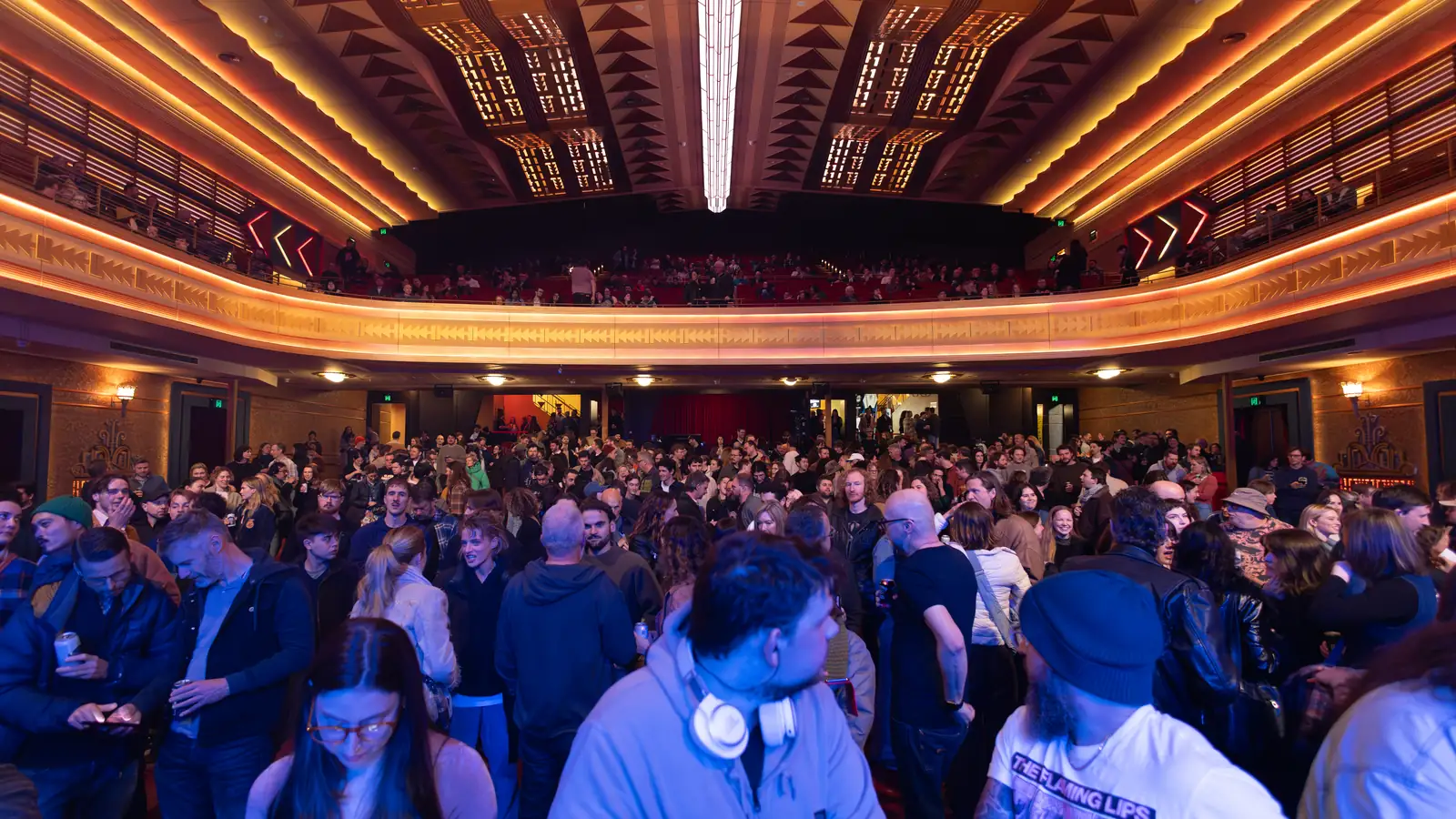
Most artists promote a show by posting the flyer and hoping. This is the version that runs on a budget you can actually justify, with a number at the end that tells you whether it worked.
100 to 250 dollars, lifetime budget, launched 2 to 3 weeks out, aimed 10 to 60 miles around the venue, sold through a page carrying your own pixel. Everything below is detail on those five numbers.
Step 01 · Set the radius by drive time

The radius is the whole targeting decision. Everything else is budget and timing.
109MUSIC · Own work
Your show does not live in a city. It lives inside the distance somebody will drive on a weeknight to see it.
Set the ad radius between 10 and 60 miles around the venue and pick the point on that range by density. A show in central London or Madrid takes the tight ring, because 10 miles already contains millions of people and public transport makes the trip trivial. A show in a smaller regional market takes the wide ring, because your audience is genuinely spread and used to driving.
Age can run broad. A 21 to 44 range fills most rooms and cutting it narrower usually just raises your costs without improving the crowd.
Step 02 · Spend on a timer, not a drip

A drip spends the same money and never builds the pressure that sells a ticket. The burst is the point.
109MUSIC · Own work
Use a lifetime budget of 100 to 250 dollars for the campaign, not a daily budget you forget to switch off. A lifetime budget forces the platform to pace delivery against a fixed end date, which is exactly what a show is.
Scale the number to the room and to your deal. A 150-capacity venue on a small guarantee does not justify 250 dollars. A 600-capacity room where you carry the risk does.
Launch two to three weeks before the date. Earlier wastes money on people who forget. Later fights against calendars that are already full. The last five days should be retargeting only, aimed at people who already engaged.
Step 03 · Track the pixel or stop running ads
This is the step that separates a campaign from a donation.
Sell tickets through a page you control the tracking on, such as Eventbrite with organiser tracking or your own store, and install the Meta pixel on it. Once purchases fire back into the ad account, you stop optimising for clicks and start seeing cost per ticket.
That single number changes every decision. It tells you whether to scale the spend, which creative to kill, and whether the market is worth returning to next tour.
The creative that works
Run 5 to 10 variations of live footage, not posed photos. Put the city and date on screen in the first second, because most impressions never get audio. Vertical, under 15 seconds, one clear line of text.
Keep placements to Instagram only at this budget. Spreading 200 dollars across every Meta placement produces data too thin to read.
Reading the result
Check the numbers nightly and compare cost per purchase against your ticket price. If a 20 dollar ticket costs you 4 dollars to sell, the campaign is working and you should push more budget into the winning creative. If it costs 18 dollars, the problem is usually the market or the offer, not the ad.
One honest caveat: ads amplify demand, they do not create it. If nobody in that city is listening yet, no budget fixes the room. Build the audience first, then spend money to convert the audience you already have.
"How to sell out your next show on 250 dollars" as a carousel publishes on @109music.co. The embed drops in here once it is live.
Common questions
How much should an independent artist spend to promote one show?
A lifetime budget of 100 to 250 dollars per show, scaled to venue size and your guarantee. Run it two to three weeks before the date rather than in the final week, when intent is already set.
What radius should I target for a concert ad?
Between 10 and 60 miles around the venue, set by how far your fans realistically drive. Dense cities take the tighter ring, rural markets take the wider one.
Why do I need a pixel to sell tickets?
Without a pixel you are guessing. Selling through a page you control, such as Eventbrite or your own store, lets the pixel report cost per purchase instead of cost per click, which is the only number that tells you whether the ads sold tickets.