How to turn streams into fans
Monthly listeners stopped converting into ticket sales in 2026. Post Malone canceled a tour at 60.6M monthly listeners. Here is the three-move fix independent artists can run without a budget.
Birgit Fostervold · CC BY-SA 4.0
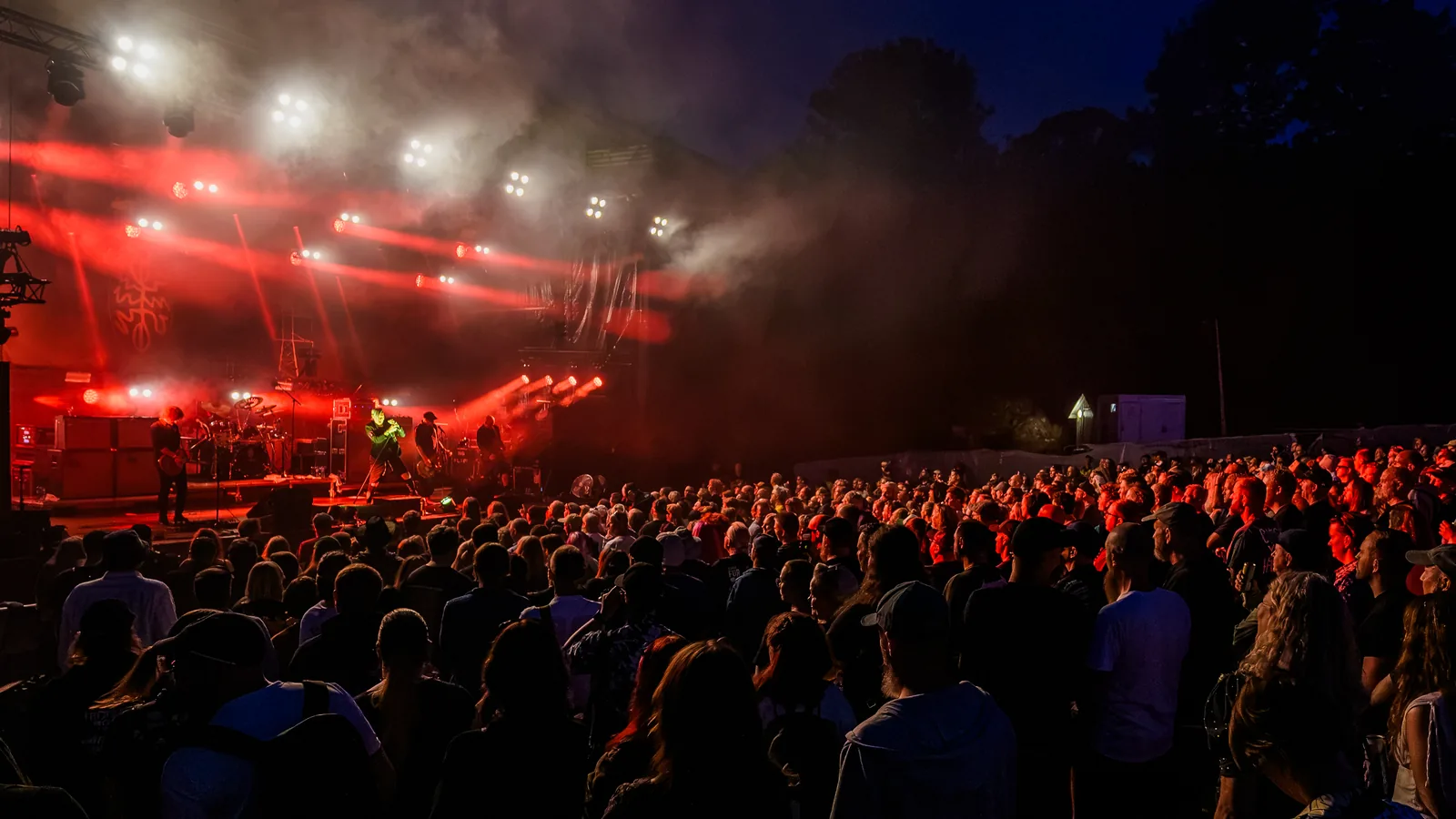
Something broke in live music in 2026, and the streaming numbers did not predict it.
Chartmetric’s August analysis, published as Blue Dot Fever, tracked a run of tour cancellations against the artists’ streaming profiles. Post Malone canceled dates while holding 60.6M Spotify monthly listeners. ZAYN pulled his at 26M. The Pussycat Dolls sat at 16.5M monthly listeners and their comeback remix took under 180,000 streams.
Those artists did not lose their audiences. They lost the assumption that an audience is the same thing as a fanbase.
Every one of these is a reach number most independent artists will never see, and none of them sold the room. Reach is not the constraint.
Chartmetric puts a single concert night near 57 dollars before travel. A monthly listener costs nothing. That gap is the entire problem: reach is free to give and expensive to convert.
Why reach stopped selling seats

Sixty million monthly listeners and not enough of them would buy a ticket. That gap is the whole problem.
109MUSIC · Own work
A stream is the cheapest possible transaction. It costs a listener nothing but attention, often passive attention inside a playlist they did not build. Spotify’s own product design optimises for that: lean-back listening, algorithmic sequencing, minimum friction.
A ticket is the most expensive thing you will ever ask a listener for. It costs money, an evening, transport, and usually a friend to come along. Nothing in a passive listening habit prepares somebody to make that jump.
For years the two moved together anyway, because streaming growth was still tracking genuine discovery. In 2026 they came apart in public. Our read on it: reach became a vanity number the moment algorithmic distribution got good enough to manufacture it.
Move 01 · Name the fanbase
A crowd with no name is an audience. A crowd with a name is a community, and communities show up.
This is the cheapest move on the list and the one most independent artists skip because it feels premature. It is not. Naming your listeners gives them a way to refer to themselves, which turns a private listening habit into a public identity. That identity is what gets defended in comment sections and what fills a room on a Tuesday.
Pick a name that comes from your work, not from a marketing session. Use it consistently in captions, in Stories, on merch and from stage. Do it before you think you are big enough.
Move 02 · Hold one colour

One colour held across every surface is what makes a post recognisable in a feed before the name is read.
109MUSIC · Own work
Recognition beats reach in a feed. If every post you publish shares one dominant colour, your work becomes identifiable at thumbnail size, before anyone reads a word.
This is not branding for its own sake. It is a retrieval shortcut. When a fan scrolls past something that is unmistakably yours, the cost of recognising you drops to zero, and repeated free recognition is what builds the familiarity that eventually converts into a purchase.
One colour. Every asset. No exceptions for a year.
Move 03 · Stage one forwardable moment a week
Reach that you cannot forward is reach you cannot compound. Once a week, publish one thing built to be sent from one person to another: a clip with a genuine surprise, a fact about the record nobody knows, a joke only your listeners will get.
The test is simple. Would somebody screenshot this and send it to exactly one friend? If not, it is content, not a moment.
A named community sells more seats than passive plays ever will. Chartmetric's 2026 cancellation data proves that reach stopped selling seats. It does not prove what replaces it, and we think identity does.
What to do this month
What one thousand monthly listeners is worth
Independent artists, per release cycle
A save is the closest free signal we have to intent. It is also the one that predicts a ticket.
Run all three moves at once, because they compound. Name the fanbase this week. Lock the colour before your next post. Then hold the weekly forwardable moment for three months before judging it, since community formation is slow and lumpy and does not show up in weekly analytics.
Watch saves and shares rather than plays. A save is a listener telling the algorithm they intend to come back, which is the closest free signal we have to intent. Plays tell you that distribution worked. Saves tell you that you did.
"How to turn streams into fans" as a carousel publishes on @109music.co. The embed drops in here once it is live.
Common questions
Why are artists with millions of monthly listeners canceling tours?
Because monthly listeners measure reach, not commitment. Chartmetric's August 2026 analysis found Post Malone canceling at 60.6M monthly listeners and ZAYN at 26M. A passive listener costs nothing, while a concert night runs near 57 dollars before travel, so reach and ticket sales have decoupled.
How many real fans do you need to sell out a small venue?
Roughly one to two percent of an engaged local following converts to a ticket in a given city. That maths favours a small named community in one city over a large passive audience spread globally.